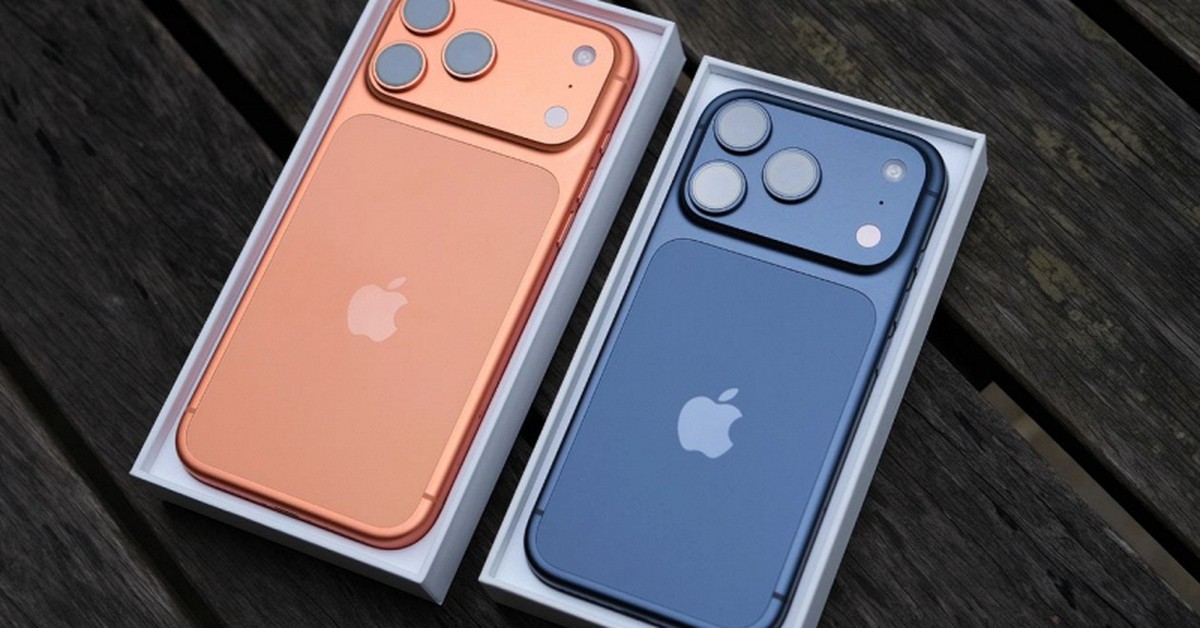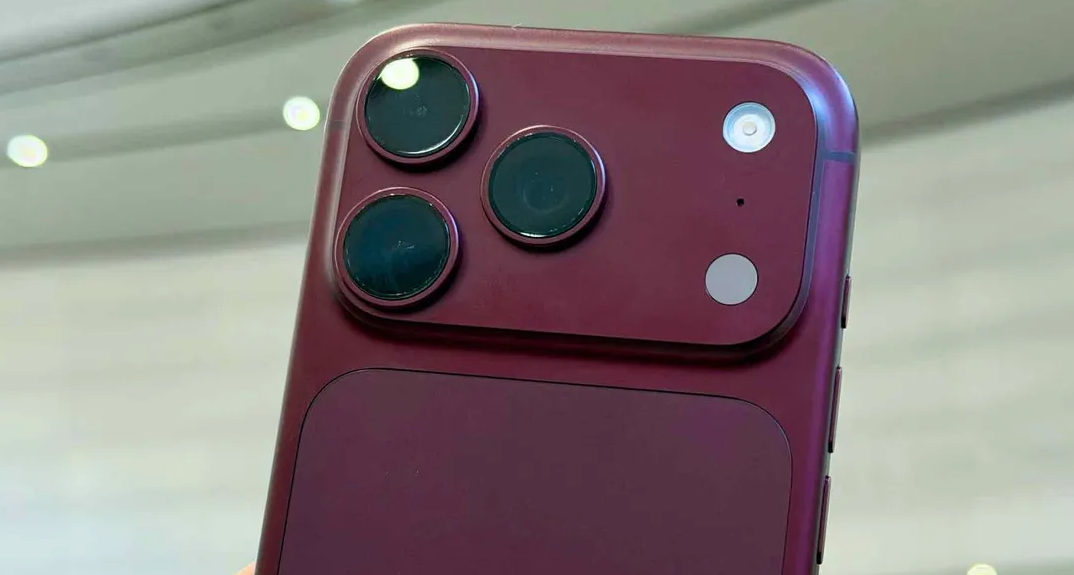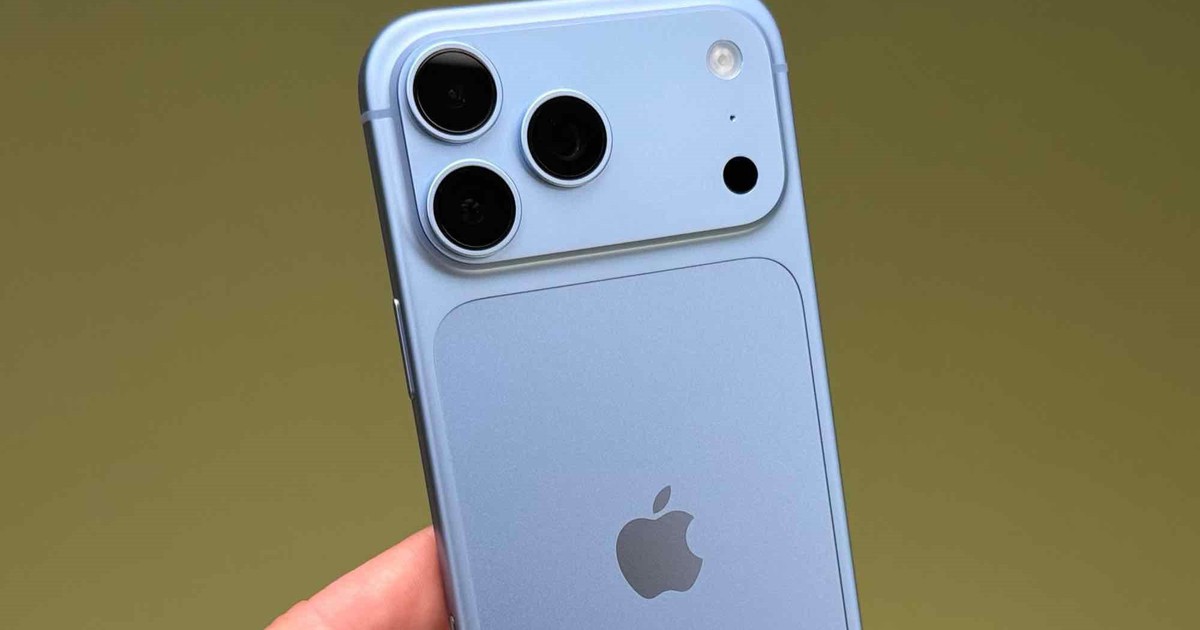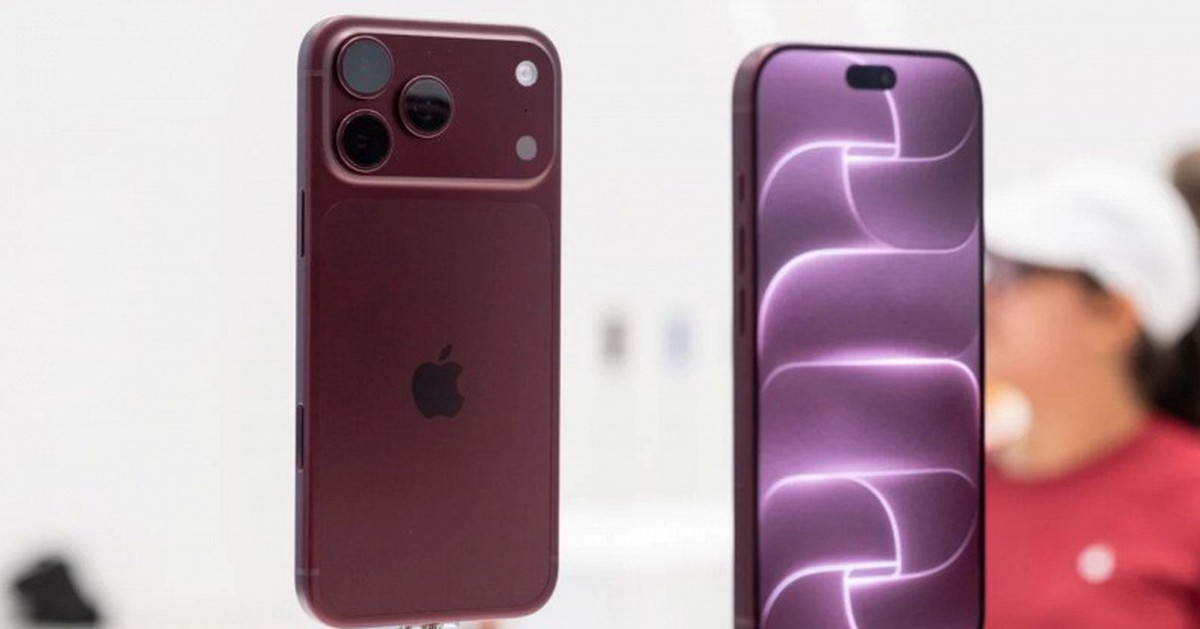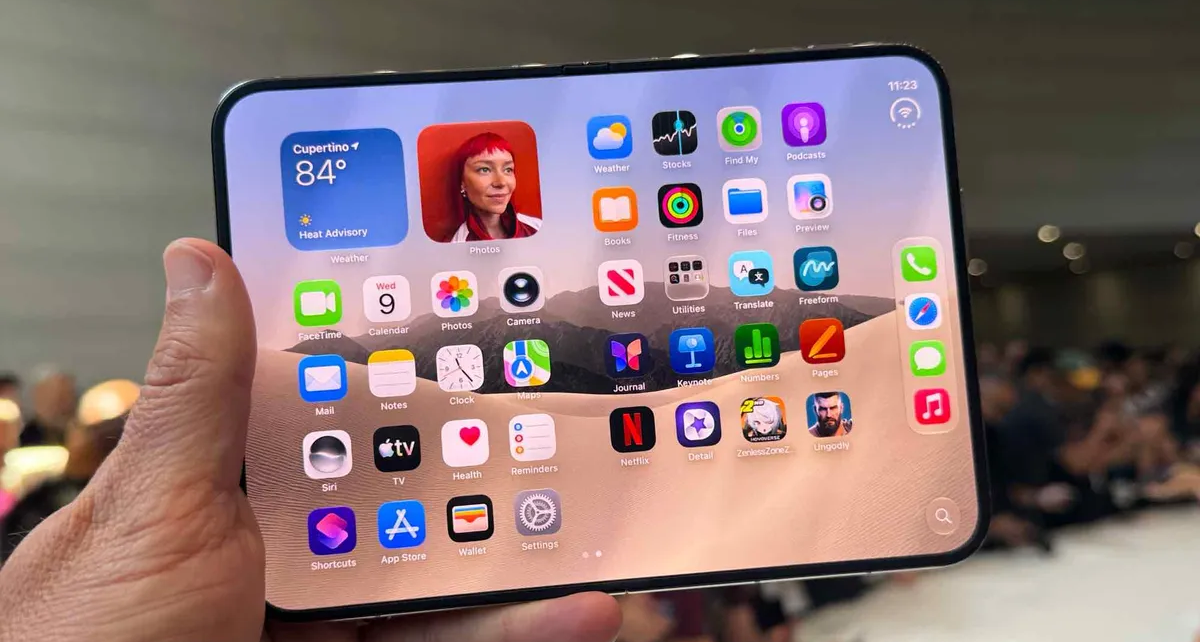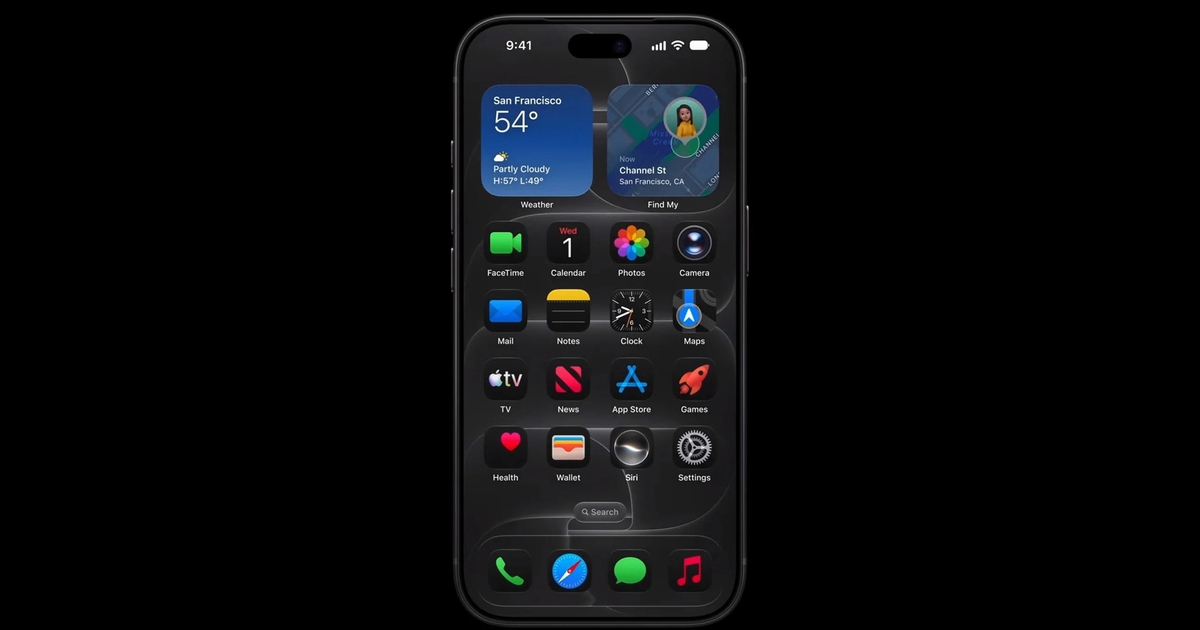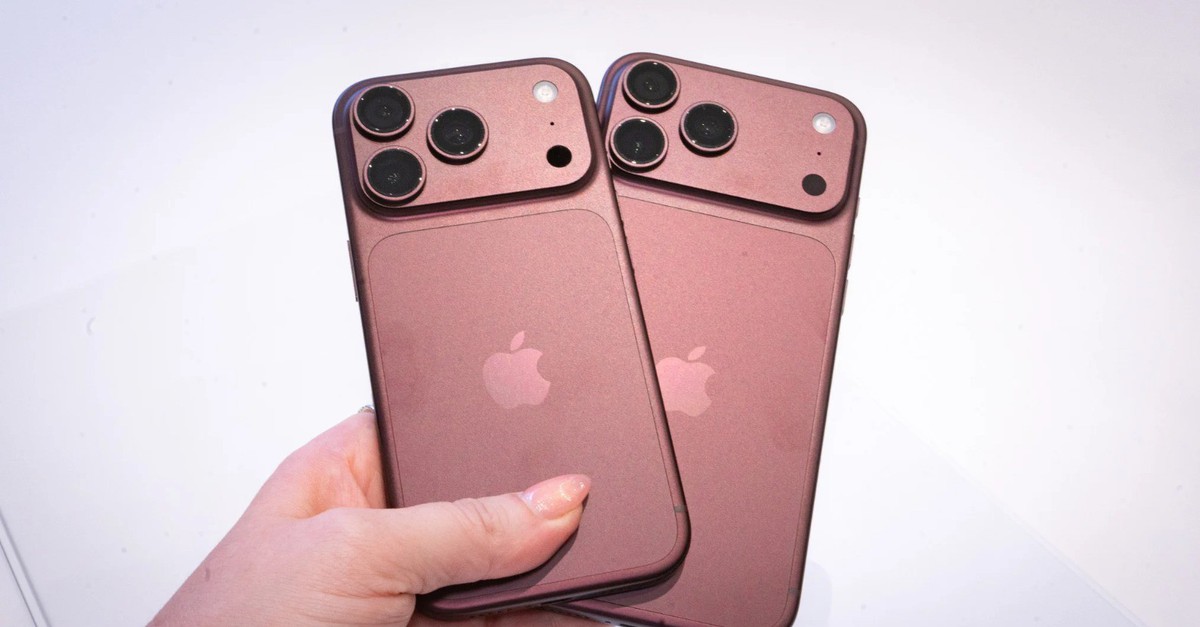


Apple vừa trình làng mẫu điện thoại gập đầu tiên mang tên iPhone Duo. Dù phong cách thiết kế thân máy ngắn và bè vốn đã xuất hiện trước đó trên các thiết bị tiên phong như Oppo Find N2, Apple lại tạo nên bước đột phá bất ngờ khi chinh phục người dùng bằng một chi tiết phần mềm tinh tế trong trải nghiệm thị giác hằng ngày.
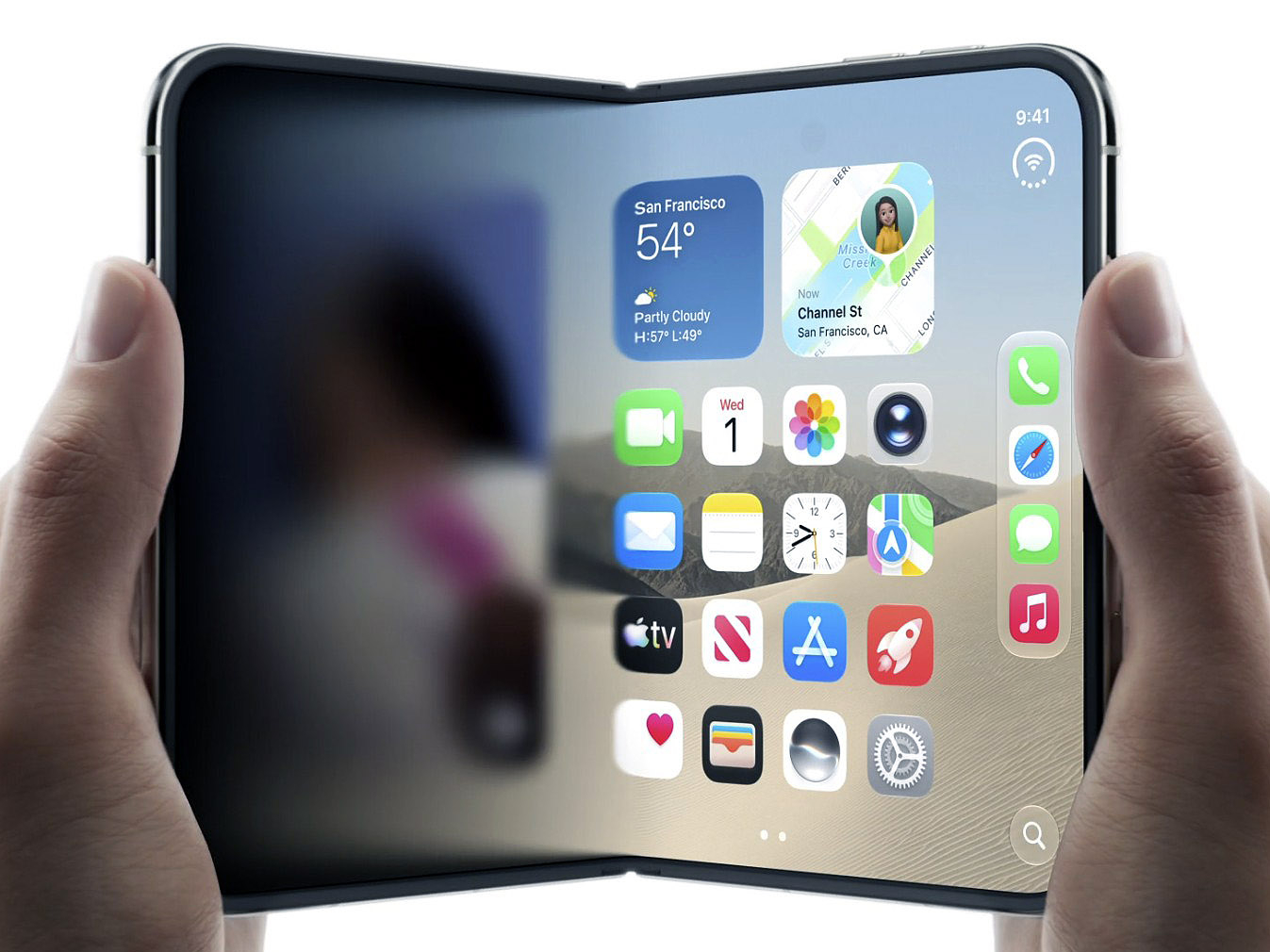
Hiệu ứng mở màn hình trên iPhone Duo
ẢNH: APPLE
iPhone Duo lại tạo xu hướng mới khiến ngành điện thoại gập phải chạy theo
Khi người dùng gập hoặc mở iPhone Duo, màn hình sẽ tự động kích hoạt hiệu ứng làm mờ nhẹ nhàng như mở một cánh cửa trong suốt, giúp loại bỏ cảm giác giật cục thường thấy khi chuyển đổi hiển thị trên các dòng máy gập. Sự thỏa mãn này nhanh chóng gây sốt, đến mức một người dùng Reddit đã can thiệp vào cảm biến bản lề của Samsung Galaxy Z Fold8 để mô phỏng lại chuyển động tương tự.
Theo các blogger công nghệ tại Trung Quốc, các nhà sản xuất điện thoại gập nội địa đang tích cực nghiên cứu cơ chế hoạt họa này, thậm chí dường như đã có bên tạo ra mẫu máy thử nghiệm tích hợp sẵn. Do đây là tinh chỉnh phần mềm chứ không phải công nghệ phần cứng độc quyền như chip xử lý A20, tính năng chuyển cảnh này rất dễ bị sao chép và nhân rộng trên toàn thị trường.
Thực tế, Apple từng nhiều lần định hình xu hướng thiết kế cho toàn ngành công nghiệp, từ màn hình 'tai thỏ', 'viên thuốc' Dynamic Island cho đến trung tâm điều khiển và các thao tác vuốt đa nhiệm từ thời iPhone X. Hiệu ứng mở của iPhone Duo tiếp tục đi theo khuôn mẫu đó, giúp phân khúc điện thoại gập xóa bỏ cảm giác thô kệch để trở nên cao cấp, hoàn thiện hơn.
Dù các hãng smartphone Trung Quốc hay Samsung với giao diện One UI sẽ là bên tiếp theo chính thức đưa tính năng này lên sản phẩm thương mại, Apple một lần nữa thiết lập nên tiêu chuẩn tương tác mới. Chi tiết chuyển cảnh nhỏ nhưng trực quan này hứa hẹn sẽ sớm trở thành trang bị quen thuộc trên các thế hệ điện thoại gập trong tương lai.
//Chèn ads giữa bài (runinit = window.runinit || []).push(function () { //Nếu k chạy ads thì return if (typeof _chkPrLink != 'undefined' && _chkPrLink) return; var mutexAds = '<zone id="l2srqb41"></zone>'; var content = $('[data-role="content"]'); if (content.length > 0) { var childNodes = content[0].childNodes; for (i = 0; i < childNodes.length; i++) { var childNode = childNodes[i]; var isPhotoOrVideo = false; if (childNode.nodeName.toLowerCase() == 'div') { // kiem tra xem co la anh khong? var type = $(childNode).attr('class') + ''; if (type.indexOf('VCSortableInPreviewMode') >= 0) { isPhotoOrVideo = true; } } try { if ((i >= childNodes.length / 2 - 1) && (i < childNodes.length / 2) && !isPhotoOrVideo) { if (i <= childNodes.length - 3) { childNode.after(htmlToElement(mutexAds)); arfAsync.push("l2srqb41"); } break; } } catch (e) { } } } }); function htmlToElement(html) { var template = document.createElement('template'); template.innerHTML = html; return template.content.firstChild; } function tnDetailInsertMidArticleWidget(rootSelector, widgetId) { var root = document.querySelector(rootSelector); if (!root) return null; var contentRoot = root.querySelector('[data-role="content"]') || root; var blocks = Array.from(contentRoot.children).filter(function (el) { if (el.id === widgetId) return false; if (el.hasAttribute('data-check-position')) return false; if (el.hasAttribute('data-type')) return false; if (/^(SCRIPT|STYLE|TEMPLATE|LINK|NOSCRIPT)$/.test(el.tagName)) return false; if (el.tagName === 'P' && !el.textContent.trim()) return false; return el.getClientRects().length > 0; }); if (!blocks.length) return null; var rootRect = contentRoot.getBoundingClientRect(); var idx; if (rootRect.height > 0) { var midY = rootRect.top + rootRect.height / 2; for (idx = 0; idx < blocks.length; idx++) { if (blocks[idx].getBoundingClientRect().bottom >= midY) break; } if (idx >= blocks.length) idx = blocks.length - 1; } else { idx = Math.floor(blocks.length / 2); } var target = blocks[idx]; var isMedia = target.tagName === 'FIGURE' || target.classList.contains('VCSortableInPreviewMode'); var newDiv = document.createElement('div'); newDiv.id = widgetId; contentRoot.insertBefore(newDiv, isMedia ? target : target.nextSibling); return newDiv; } function tnAfterLoad(fn) { if (document.readyState === 'complete') fn(); else window.addEventListener('load', fn, { once: true }); } (function () { if (!(window.pageSettings && pageSettings.allow3rd && (typeof window._isAdsHidden === 'undefined' || !window._isAdsHidden))) return; if (laNuocNgoai) return; tnAfterLoad(function () { var pernewDiv = tnDetailInsertMidArticleWidget('div.detail-cmain', 'tn_detail_foryou1_pc_per'); if (!pernewDiv) return; loadJsAsync('https://js.aiservice.vn/rec/tn_detail_foryou1_pc_per.js', function(){}, function() { window.boxTNRecs.err.push('rec/tn_detail_foryou1_pc_per.js'); }); }); })(); (function() { if (!(window.pageSettings && pageSettings.allow3rd && (typeof window._isAdsHidden === 'undefined' || !window._isAdsHidden))) return; if (typeof window.laNuocNgoai === 'undefined' || !window.laNuocNgoai) return; tnAfterLoad(function () { var newDiv = tnDetailInsertMidArticleWidget('div.detail-cmain', 'taboola-mid-article-widget'); if (!newDiv) return; window._taboola = window._taboola || []; window._taboola.push({ mode: 'thumbnails-4x1', container: 'taboola-mid-article-widget', placement: 'Mid Article Widget', target_type: 'mix' }); }); })();